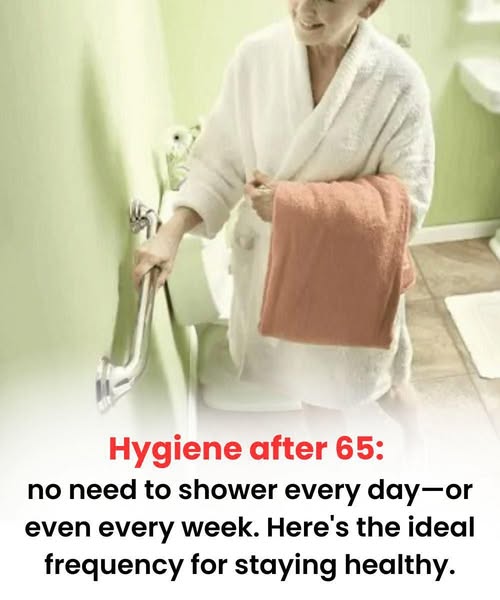
For decades, a daily shower has been treated like the gold standard of hygiene. Many of us grew up hearing, “Shower every day to stay clean,” so we carried the habit into adulthood without thinking twice.
But after 65, your body changes in quiet ways—especially your skin and your balance. And for many older adults, showering every single day may not be helping as much as we assume. In some cases, it can actually create new problems: dry, irritated skin, a higher risk of falls, and a weaker natural skin barrier.
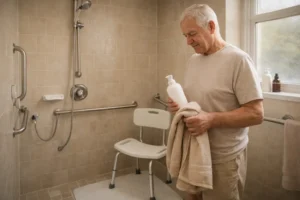
Gentle Shower Routine for Seniors
A few simple safety and comfort upgrades can make showering easier and reduce strain.
Aging skin is different
After 60, skin naturally becomes thinner, drier, and more delicate. Your oil glands slow down, which means your skin produces less of the natural moisture that once kept it soft and protected. At the same time, the skin’s barrier (the layer that holds hydration in and keeps irritants out) weakens with age.
Now add daily showers—especially hot water and regular soap. That combination can wash away the little natural oil your skin still has, leaving it tight, flaky, or itchy.
Over time, dryness can turn into irritation and tiny cracks. These small breaks may seem harmless, but they can become entry points for infection—something older bodies may have a harder time fighting off.
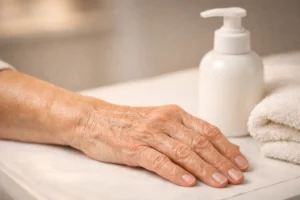
Aging Skin Needs Extra Care
Thin, dry skin is common after 65—and hot water can make it worse.
Overwashing disrupts healthy bacteria
Your skin isn’t just a surface. It’s a living ecosystem. It hosts billions of helpful bacteria that support your body by crowding out harmful germs and keeping inflammation under control.
When you shower too often—especially using antibacterial or heavily scented soaps—you can disturb this balance. Washing away protective bacteria too frequently may leave the skin more vulnerable to rashes, irritation, fungal problems, and flare-ups.
This is why many doctors now acknowledge a surprising truth: being “too clean” can sometimes weaken the skin’s natural defenses—particularly in seniors.
Increased risk of falls and fatigue
A shower is also a physical activity. It involves stepping over a threshold, standing on a slick surface, lifting arms to wash, and handling water temperature changes. For older adults, that can mean dizziness, fatigue, and a higher chance of slipping.
Falls are one of the leading causes of injury among seniors, and daily showers simply create more opportunities for something to go wrong—especially for people with balance issues, arthritis, low blood pressure, or reduced strength.
Clean doesn’t mean daily bathing
Here’s the part that surprises many people: staying clean does not require showering every day.
Many dermatologists and geriatric specialists suggest that adults over 65 often do best with showers about two to three times a week, unless there’s heavy sweating, incontinence, or a medical reason for more frequent bathing.
On non-shower days, simple hygiene habits can keep you fresh without stressing the skin:
Wash the face and hands
- Clean underarms and groin (a warm, damp washcloth works well)
- Change underwear and clothes regularly
- Use gentle wipes or targeted cleaning as needed
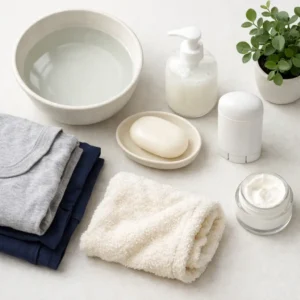
Simple Hygiene on Non-Shower Days
Targeted cleaning can keep you comfortable while protecting your skin barrier.
Hot water and soap matter
When seniors do shower, how they shower matters just as much as how often.
Hot water can feel soothing, but it dries aging skin fast. Lukewarm water is much gentler. The same goes for soap: strong cleansers and fragrances can irritate sensitive skin, so mild, fragrance-free products (or soap substitutes) are usually a better choice.
One of the easiest improvements is moisturizing right after showering—while the skin is still slightly damp. That helps lock in hydration and reduces itching and flaking.
Listening to your body matters most
There’s no single rule that fits everyone. Some seniors feel fine showering more often, while others notice their skin gets irritated quickly. The best guide is your own comfort and your skin’s response.
If daily showers leave you feeling itchy, tight, flaky, or sore, consider spacing them out. Cleanliness should support health—not quietly undermine it.

Bathroom Safety First
A safer setup reduces fall risk and makes shower time less tiring.
After 65, daily showers are not a necessity—and for many people, they may do more harm than good. Fewer showers, paired with gentle hygiene habits, can protect aging skin, lower fall risk, and improve overall comfort.
Sometimes healthier living isn’t about adding new routines. It’s about letting go of old ones and choosing what truly works for your body today.