I grew up believing the farm would always be my safe place. I just never imagined I’d have to fight to stay there the very week we laid my grandfather to rest.
When my parents died in a car crash on a wet October night, I was twelve. I still remember the hospital hallway, the smell of antiseptic, and a social worker using words like “placement” and “temporary housing.”
Then I heard Grandpa.
“She’s coming home with me.”
That was it. His hand on my shoulder. The scent of hay and peppermint gum. The steady certainty in his voice.
After that, the farm became my whole world.
It wasn’t fancy. The barn paint peeled. The roof leaked every spring. But it was ours. Grandpa taught me how to read the sky before a storm and how to mend a fence with nothing but wire and patience.
When I woke up from nightmares, he would sit beside me and say, “You’re safe here, Katie. Nothing touches you on this land.”
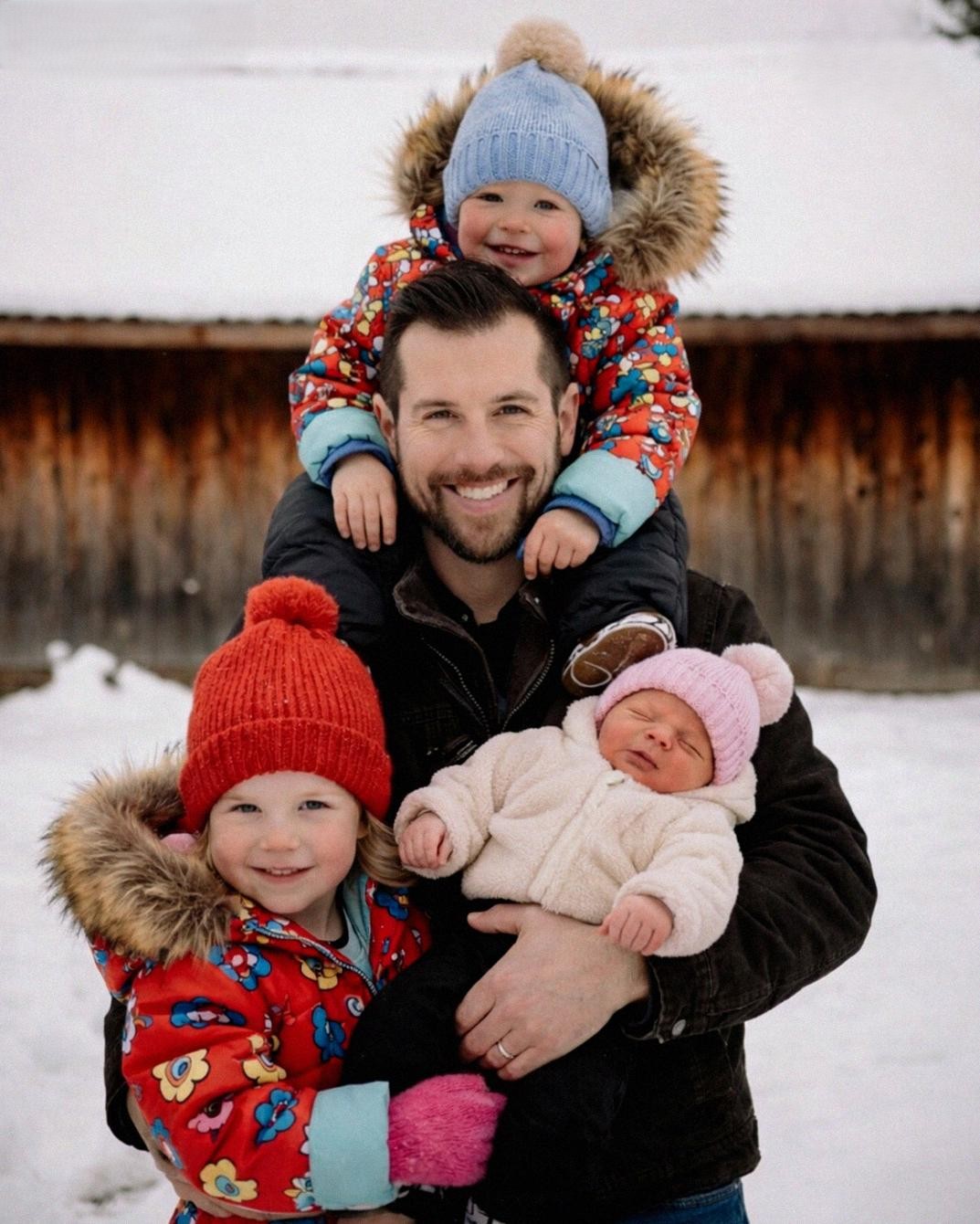
Years passed. I married young, divorced younger, and moved back with three kids when my ex decided responsibility wasn’t for him.
Grandpa didn’t complain. He just looked at the row of muddy boots by the door and said, “More boots means more life.”
When his health began to fail, it happened slowly. Forgotten hats. Unfed horses. Then trouble climbing the stairs.
So I stepped in.
I ran harvests. Negotiated with suppliers. Balanced the books at the kitchen table after the kids went to bed. When frost wiped out a crop, I took a loan and kept quiet about it.
Meanwhile, his only child—my Aunt Linda—lived in Chicago posting rooftop parties and spa weekends. Farm life, she used to say, was beneath her.
She called Grandpa only when she needed money.
When hospice began, she didn’t visit once. Not even when the nurse said, “You should come now.”
I held his hand when he passed at 5:12 a.m. on a Tuesday.
Linda arrived that afternoon in a sleek black Mercedes.
She didn’t hug me.
She walked through the house like an appraiser.
“It looks smaller,” she said, removing her sunglasses.
“It’s the same size,” I replied.
She tapped walls, opened cabinets, wrinkled her nose in the barn.
“Developers would fight over this. There’s lake access. It’s worth a fortune.”
“This is our home,” I said.
“It was my dad’s home.”
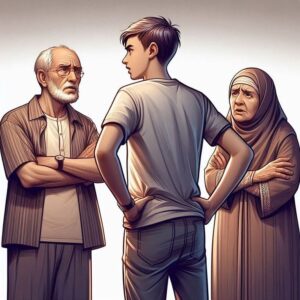
The night before the funeral, she cornered me in the kitchen.
“You have three days.”
“For what?”
“To pack up. I’ve already lined up a developer. Groundbreaking starts next week.”
Three days.
I had no savings. No backup plan. Everything I had went into keeping that farm alive.
“You can’t just throw us out.”
“I’m his only child,” she said smoothly. “Once the will is read, it’s mine.”
At the will reading, she arrived late, glowing with confidence. She slid an eviction notice across the desk before the lawyer even began.
My hands shook.
Mr. Henderson didn’t look at it. He adjusted his glasses.
“Actually,” he said calmly, “we won’t be discussing the property today.”
Linda laughed. “I’m his only child. Read the will.”
He placed a stamped document on the desk.
“Three days ago, your father didn’t own the farm anymore.”
Silence swallowed the room.
“What?” Linda snapped.
“It now belongs to a protected family trust.”
“A trust? That’s ridiculous.”
“Your father initiated it six months ago,” Mr. Henderson said. “All documents were signed while he was of sound mind.”
She grabbed the deed.
“And who controls this trust?”
“Your father named his youngest great-grandchild, Noah, as sole trustee and lifetime resident.”
My breath caught.
“He’s five!” she shouted.
“Which is why his mother will act as stand-in trustee until he turns twenty-one.”
Her head whipped toward me. “You knew!”
“I didn’t,” I whispered.
Mr. Henderson pulled out a digital recorder.
“Anticipating dispute,” he said, pressing play, “your father documented his intentions.”
Grandpa’s voice filled the office.
“If you’re hearing this, I’m gone. I know my daughter. Linda will want to cash in. Katie and those kids kept this place alive. They’ve earned the right to stay.”
Linda’s face drained of color.
“I’m not confused. This is my choice. The farm stays with the ones who treat it like family.”
The recording ended.
Linda erupted. “He was sick! You coached him!”
“It was recorded in my office with witnesses,” Mr. Henderson replied evenly.
“So I get nothing?” she demanded.
“Per the will, you are to receive $25,000.”
Her expression shifted instantly.
“However,” he continued, “that inheritance is conditional.”
Her smile froze.
“To receive it, you must assist in farm operations for five years—physical labor, financial collaboration, cooperative decision-making.”
“You can’t be serious.”
“If you contest the trust or will in court, you immediately forfeit the inheritance.”
The room fell quiet.
Linda slowly crumpled the eviction notice in her hand.
“You think you’ve won,” she muttered.
“I never wanted to fight,” I said.
She grabbed her purse. “Enjoy your dirt.”
The door closed behind her.
Three weeks later, the farm felt different.
Not easier. The loan still needed paying. The fences still needed fixing. But I wasn’t bracing for eviction anymore.
One evening, Noah climbed into my lap on the porch.
“Does this mean we’re not moving?” Emma asked quietly.
“We’re not going anywhere,” I told her.
She leaned against me, relieved.
The sun dipped low over the north field, lighting everything in gold. The air smelled like hay and wood smoke.
After the kids went to bed, I ran my hand over the worn kitchen table and whispered, “You planned this, didn’t you?”
In my mind, I could almost hear him chuckle.
He hadn’t just protected land.
He’d protected us.
And as I watched the fields stretch out under the fading light, I understood something clearly for the first time since he passed.
This wasn’t just a farm.
It was our future.
And we were staying.