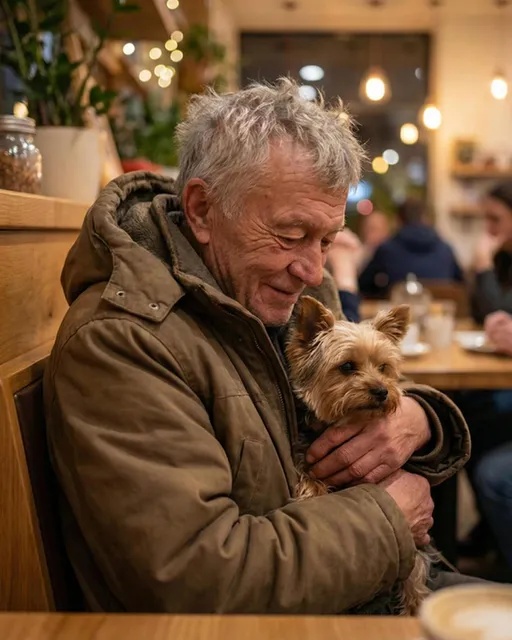
From the outside, Laura’s life looked quiet, even settled, but inside it was shaped by absence and echoes that never quite faded.
She lived alone in a house frozen in time, her daughter’s room untouched, her husband gone after grief turned love into something unrecognizable.
The only place that still felt alive was her grandfather Henry’s old diner, a worn little building with chipped mugs, creaky floors, and the smell of coffee soaked into the walls.
It had never been fancy or profitable in a big way, but it carried something deeper, the belief Henry always held that food was a kind of care and that people mattered more than margins.
As the neighborhood changed and familiar faces disappeared, the diner struggled to keep up. Bills stacked higher, customers grew fewer, and Laura worked long days alone, skipping meals and pretending exhaustion was normal.
Eventually, practicality won out over hope and she called a broker, agreeing to sell the place that felt like her last link to family. On the final quiet evening before paperwork would begin, the diner sat almost empty, lights humming softly while Laura tried to prepare herself to let go of one more thing she loved.
That was when the doorbell rang and an elderly man stepped inside, leaning on a cane with a tiny dog at his side. He asked for the cheapest thing on the menu, counting his money carefully, already apologizing with his eyes.
Laura surprised herself by inviting him to sit and cooking the way she used to, slowly and with intention, as if her grandfather were standing beside her again.
Over the meal, words spilled out, her losses, her fatigue, her fear of closing the doors for good, while the man listened without interruption, offering nothing but attention. When he finished, she refused his payment, knowing somehow that his company had filled a deeper hunger.
The next morning, Laura found an envelope taped to the diner door, addressed in careful handwriting. Inside was a small bill and a note signed simply “Henry,” explaining his own loneliness and how being welcomed had reminded him that he still mattered in the world.
With trembling hands, Laura taped the note near the register, and when the broker called later that day, she declined. She wasn’t ready to sell, not after remembering that some places survive on connection rather than profit, and that sometimes a single act of kindness is enough to show you what is still worth holding on to.