Some stories arrive in the world so quietly that you almost miss them. No grand announcement. No loud celebration. Just a tiny heartbeat fighting to be heard.
Baby Manushi from Rajasthan, India, is dubbed a little miracle for all the right reasons—and once you learn what she overcame, it’s hard not to feel moved. Manushi’s journey began far earlier than anyone expected, and from the first moment, her survival was anything but guaranteed.
Manushi was delivered via C-section when her mother, Seeta, 48, was only 28 weeks into pregnancy. The reason was urgent and serious: Seeta had been diagnosed with extremely high blood pressure. Doctors determined that the baby wasn’t receiving enough blood through the placenta, a dangerous situation that can turn critical in a short amount of time.
There wasn’t room for delay or long discussions. The decision for the baby to be delivered was made very quickly—because in moments like these, speed can mean the difference between life and loss.Just born essentials
When Manushi was welcomed into the world, she weighed only 14 ounces. To put that into perspective, she weighed less than a pound—so small that she could fit in the palm of a hand. The chances of her survival were slim because she was extremely tiny, and most of her organs were still underdeveloped. Her lungs, brain, heart, and kidneys had not yet reached the stage they normally would by a full-term birth.
For many babies, being born that early means a long and uncertain road. For Manushi, it meant starting life in the toughest place possible: a fight for every breath, every heartbeat, and every tiny step forward.
From the moment she was born, Manushi was placed on a ventilator. Doctors shared that her chances of survival were under 1 percent. Under 1 percent—an amount so small it’s hard to imagine placing hope inside it. And yet, hope is exactly what her medical team did.Infant care products
Believe it or not, she beat the odds.
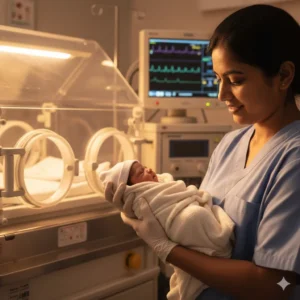
In the neonatal intensive care unit, time moves differently. Days feel long. Nights feel longer. Every small improvement is celebrated, and every setback is handled with steady focus. Manushi needed constant monitoring and expert support because her body was still learning how to do the things most newborns do naturally.
One of the biggest challenges was feeding. Because her gut was underdeveloped, Manushi couldn’t be fed in a sufficient manner at first. Her body simply wasn’t ready to digest and absorb nutrients the normal way. So doctors provided what she needed another way—administering the vitamins, minerals, carbohydrates, lipids, and amino acids directly into her blood. It was a careful, life-sustaining balance: giving her enough to grow, while protecting her tiny organs as they matured.
Every decision required precision. Every adjustment mattered. In cases like this, it’s not only medical skill that helps a baby survive—it’s also persistence, vigilance, and a team that refuses to give up.
Then came a moment that felt like a turning point.
Once she turned 7 weeks old, Manushi started breastfeeding—and that was a great sign. Breastfeeding wasn’t just nourishment; it was proof that her body was gaining strength and stability. Around this time, she also began breathing more independently, and her other organs started to grow more normally. Step by step, her tiny body began catching up with the world she entered too soon.
After six months in the neonatal intensive care unit, Manushi’s organs developed to the point that she could finally be released from the hospital. It wasn’t an easy victory, but it was a powerful one. At the time doctors discharged her, she weighed 5.2 pounds—still small, but worlds apart from the 14 ounces she began with.
Her survival was a medical triumph, yes. But it was also something more: a message.
Doctors were determined to save the life of this girl in order to send a message out there—that female children are as important as male, contrary to the common opinion people in some parts of India hold.
“We decided to save the life of the infant and give her necessary medical care and attention because we wanted to send out a message that a girl child must be protected,” the director of the hospital, Dr. Sunil Janged said. “We offered her the necessary medical care and attention.”
In many places, society measures worth in unfair ways. But stories like Manushi’s challenge that thinking. They remind us that a child’s value is not decided by gender, circumstance, or even how fragile their beginning seems.
Records show that a girl named Emilia Grabarczyk, born in 2015 in Wittenberg, Germany, at just 8 ounces, is the world’s lightest surviving baby.
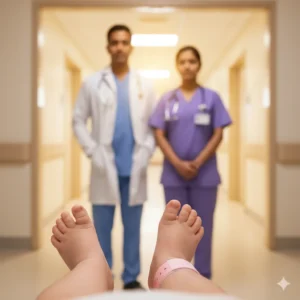
Manushi’s story stands as one of courage, care, and quiet resilience. From a birth weight that seemed impossible to survive, to a discharge weight that proved the impossible can happen—she became a living reminder that hope doesn’t always arrive loud. Sometimes it arrives small, and it grows.
We wish baby Manushi a happy life ahead of her.Just born essentials
If you found this story inspiring, please SHARE it with your friends and family!