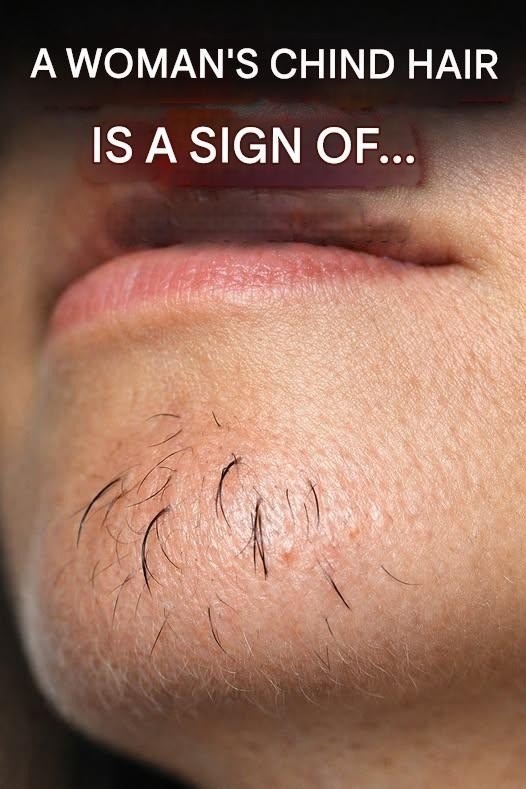
Noticing a few hairs on your chin can feel surprising, but in most cases it’s a normal part of how the body changes over time.
Hormones—especially androgens like testosterone—play a key role. Even though these are often labeled “male hormones,” women naturally produce them too.
As levels shift with age or life stages, and as your skin’s sensitivity changes, it’s common for fine or coarse hairs to appear along the chin, jawline, or upper lip. Genetics also matter, meaning some people are simply more prone to visible facial hair than others.
In many situations, this kind of hair growth is harmless. However, there are times when it can be part of a broader pattern. For example, Polycystic Ovary Syndrome (PCOS) is a condition that may include increased facial hair along with symptoms like irregular periods, acne, or weight changes.
Hormonal transitions such as menopause can also make existing hair growth more noticeable. In rarer cases, certain medications or underlying health conditions may contribute. Health
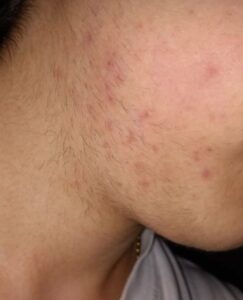
The key is to notice changes over time. If chin hair appears gradually and remains mild, it’s usually nothing to worry about.
But if the growth becomes sudden, rapid, or is accompanied by other symptoms—like changes in your menstrual cycle or skin—it’s worth speaking with a healthcare professional.
Getting clarity early can help rule out underlying causes and guide appropriate care if needed.
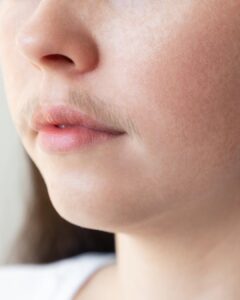
For everyday management, there are plenty of safe options, from simple methods like tweezing or trimming to longer-term solutions such as laser treatments.
Choosing what works best comes down to personal comfort and preference. Most importantly, this is a common experience, and understanding the “why” behind it can make it feel far less concerning—and far more manageable.