It often starts innocently enough. You find a pair of second-hand shoes that look barely worn, stylish, and affordable, and you slip them on without a second thought.
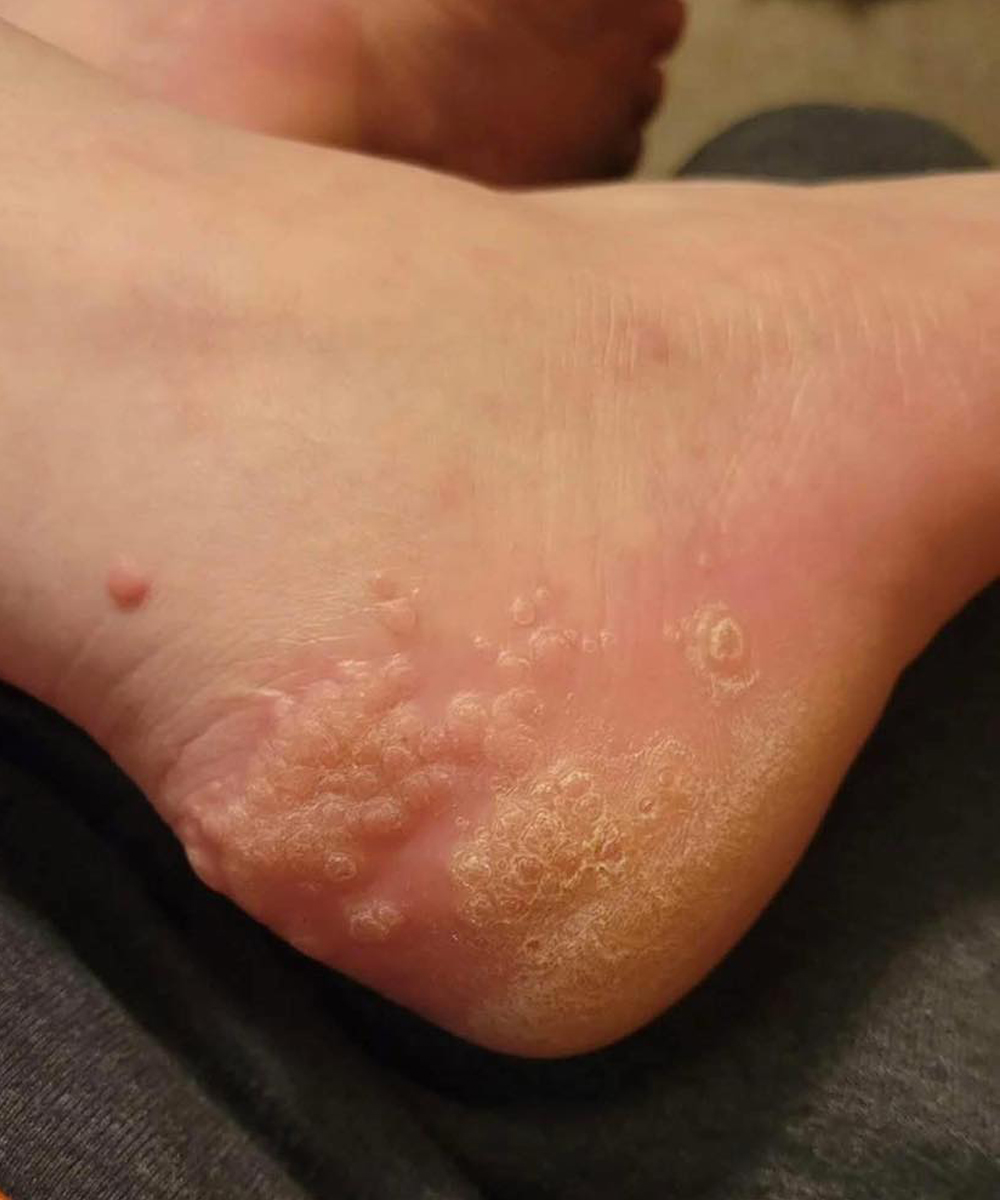
Days later, a dull ache appears on your toe, followed by a small yellow bump that seems to come out of nowhere. At first, it’s easy to ignore, but with every step, it reminds you that something is wrong. That bump is usually a corn or callus, a quiet signal from your body that your feet are under stress. It may look alarming, but in most cases, it’s your skin’s natural defense reacting to repeated friction and pressure.
The problem with used shoes lies in their history. Shoes don’t just cover feet, they adapt to them. Over time, they mold to the original owner’s foot shape, creating subtle pressure points that feel natural to one person but hostile to another. When your toes rub against stiff seams, narrow fronts, or uneven interiors, the skin responds by thickening.
This buildup of dead skin cells gives corns and calluses their yellowish appearance. Hard corns often form on the tops or sides of toes, sometimes with a dense core that makes walking feel like stepping on a pebble with every stride. What begins as mild discomfort can quickly turn into persistent pain if the cause isn’t addressed.
Beyond pressure and friction, used shoes can bring other hidden risks. Poorly cleaned footwear may carry bacteria or fungi from the previous owner, increasing irritation and the chance of infection. While fungal issues usually show up as itching, peeling skin, or yellowing nails rather than firm bumps, they can still complicate foot health.
Blisters may also develop if friction is intense, sometimes worsening if the skin breaks. Compared to new shoes, which simply need a short break-in period, second-hand shoes start with a disadvantage. They already carry someone else’s footprint, and your feet are forced to adapt instead of the other way around.
Fortunately, most yellow bumps caused by shoe friction improve with simple care and better choices. Stopping the use of the problematic shoes is often the most important step. Switching to well-fitting footwear with roomy toe boxes and cushioning allows the skin to recover.
Soaking feet in warm water and gently smoothing thickened skin can reduce discomfort, while protective pads and moisturizing creams help prevent further irritation. Thoroughly cleaning and disinfecting used shoes, wearing socks, and breaking footwear in gradually can lower future risk.
That small yellow bump is not just a cosmetic issue, it’s a message. When you listen to it and respect what your feet need, comfort usually returns quickly, reminding you that even small choices can leave lasting impressions.