The honey locust is often admired for its graceful shape and cooling shade, but this remarkable tree has a story that reaches far beyond its beauty.
Native to North America, especially the Mississippi River Valley, it has provided food, building materials, and practical resources for generations. Long before modern conveniences, it was an important part of everyday life.
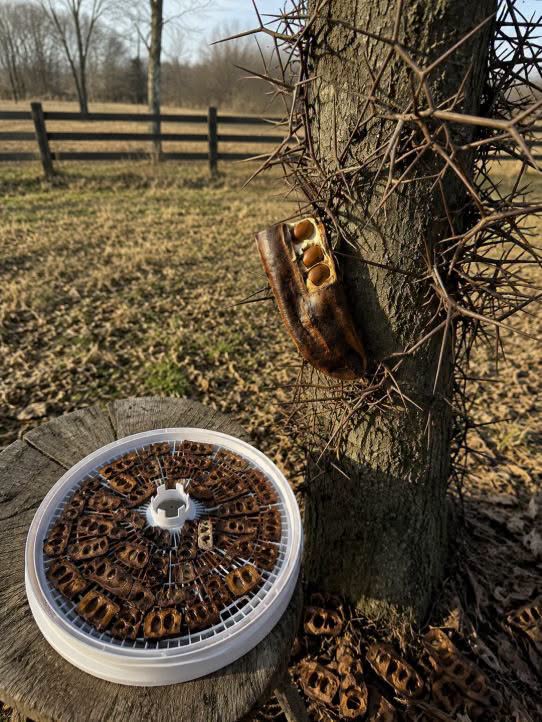
One of its most distinctive features is its long, twisted seed pods filled with naturally sweet pulp. Indigenous communities and early settlers enjoyed the pulp fresh or used it to make simple syrups and beverages.
The seeds were sometimes roasted for a warm drink or ground into meal, showing how every part of the tree could be put to good use.
The honey locust was also valued for its incredibly durable wood. Resistant to decay and harsh weather, it became a popular choice for fence posts, tool handles, wagons, and outdoor structures. Some parts of the tree even contain natural compounds that create a mild lather when mixed with water, making them useful for basic cleaning before commercial products existed.
Today, the honey locust remains a favorite in parks and neighborhoods. Its open canopy allows sunlight to reach the ground, helping grass and flowers thrive, while its blossoms attract bees and other pollinators. Wildlife also benefits from its seed pods, which provide food for several animals.
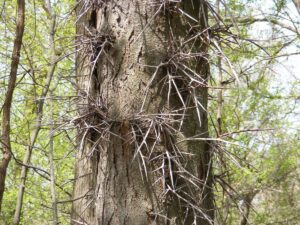
Although many wild honey locust trees have large protective thorns, cultivated varieties are often thornless and better suited for landscaping.
As with any wild plant, proper identification is essential before using it. The honey locust reminds us that some of nature’s most familiar trees have supported people and wildlife for centuries—and continue to do so today.