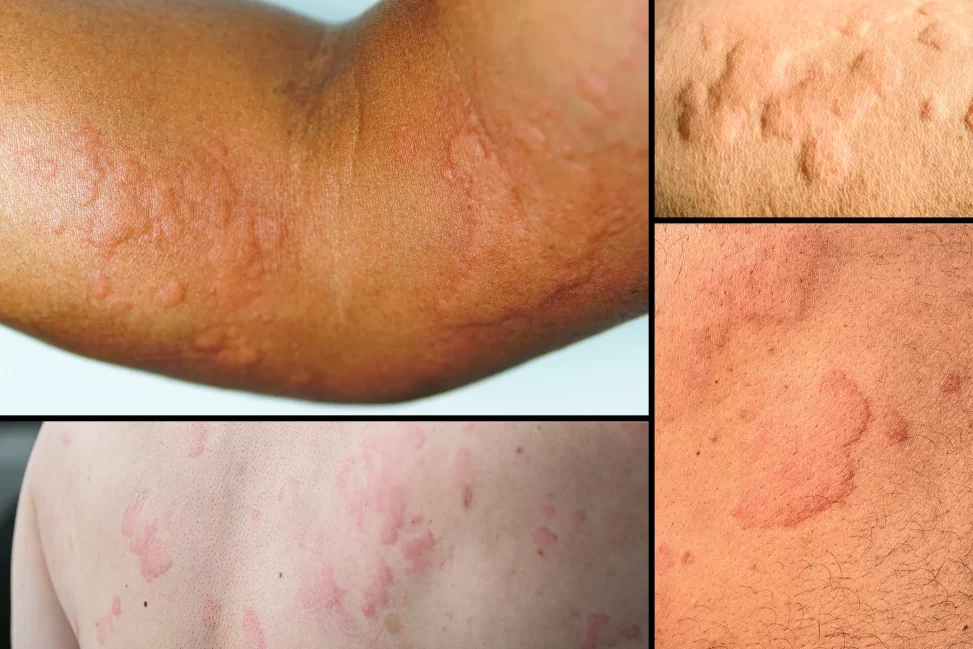
Hives, also known as urticaria, are raised, itchy welts that appear on the skin, often as a result of an allergic reaction, stress, or other underlying factors. While many people associate hives with food allergies or insect bites, there are several surprising causes that can trigger these uncomfortable skin reactions. Understanding the triggers can help prevent hives, manage flare-ups, and maintain healthier skin.
Here are 20 surprising causes of hives, each explained in detail.
1. Food Allergies
Food allergies are one of the most well-known causes of hives. Certain foods, including shellfish, peanuts, eggs, and dairy, can trigger an immune response that releases histamine into the bloodstream. Histamine causes the characteristic redness, swelling, and itchiness of hives.
Interestingly, hives may appear immediately after consuming the allergenic food, or they can show up hours later, making it difficult to identify the exact trigger. Some people are allergic to multiple foods, or experience cross-reactivity, where eating one type of food causes a reaction due to similarity with another allergen.
Repeated exposure to the allergen can also increase sensitivity, worsening the hives over time. Individuals with food allergies often need to maintain a food diary to track triggers, identify patterns, and prevent future outbreaks.
Medical management may include antihistamines, corticosteroids, or avoidance strategies. In severe cases, epinephrine may be necessary if hives are accompanied by more serious allergic reactions.
2. Medication Reactions
Many common medications can trigger hives, even if they have been taken before without issue. Antibiotics like penicillin, nonsteroidal anti-inflammatory drugs (NSAIDs), and certain pain relievers are frequently associated with hives.
The immune system may recognize medication molecules as foreign invaders, prompting the release of histamine. This can cause sudden onset of itchy, red, or swollen welts on the skin. Sometimes hives appear after the first dose, and other times they develop after repeated exposure.
It is essential to consult a doctor if hives appear after taking medication, as some reactions can progress to more severe conditions like angioedema or anaphylaxis. Doctors may recommend stopping the medication, switching to alternatives, or prescribing treatments to manage the reaction.
Keeping a record of all medications taken, including over-the-counter drugs and supplements, helps identify possible triggers and prevent future outbreaks.
3. Insect Bites and Stings
Insect bites and stings are another common but often overlooked cause of hives. Mosquitoes, bees, wasps, and other insects inject proteins into the skin that the immune system reacts to, releasing histamine and causing localized or widespread hives.
The reaction may range from mild, itchy bumps to more extensive welts that appear hours after the bite. Some individuals are highly sensitive and may experience hives in areas distant from the actual bite site.
Repeated exposure can exacerbate the reaction, and in rare cases, insect stings can cause severe allergic responses requiring immediate medical attention. Proper insect protection, quick removal of stingers, and antihistamine treatment can help manage symptoms and prevent further flare-ups.
4. Physical Triggers
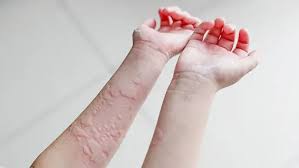
Physical factors such as pressure, temperature, or friction can cause hives in some individuals. This is known as physical or inducible urticaria. Examples include tight clothing, scratching, cold temperatures, heat, or sun exposure.
When the skin is exposed to these triggers, mast cells release histamine, leading to temporary welts. Cold-induced hives may appear as itchy bumps after swimming in cold water or exposure to cold weather. Conversely, heat-induced hives can develop after hot showers, exercise, or sun exposure.
Pressure-induced hives, or delayed pressure urticaria, may appear hours after carrying heavy bags, wearing tight clothing, or sitting in one position for an extended period. Identifying and minimizing physical triggers can help manage these reactions effectively.
5. Stress and Emotional Factors
Emotional stress is a surprisingly common trigger for hives. The body’s stress response releases chemicals like cortisol and histamine that can exacerbate or directly cause skin reactions.
Chronic stress can disrupt immune function, making the body more reactive to allergens or other environmental factors. Even mild emotional triggers, such as anxiety, work pressure, or significant life changes, may provoke hives in susceptible individuals.
Stress management techniques such as mindfulness, meditation, yoga, or deep breathing exercises can reduce the frequency and severity of stress-induced hives. Recognizing the connection between emotional health and skin reactions is essential for effective management.
6. Viral and Bacterial Infections
Certain infections, including viral illnesses like the flu or common cold, can trigger hives. The immune system’s response to the infection may inadvertently cause histamine release, leading to itchy, red welts.
Bacterial infections, such as strep throat, can also provoke hives. In these cases, hives may appear before other symptoms or during the infection, signaling the body’s immune response.
Understanding that infections can be underlying triggers helps in identifying and managing recurring hives. Treating the infection usually alleviates the skin reaction, and supportive care such as antihistamines can relieve discomfort in the meantime.
7. Food Additives and Preservatives
Some individuals develop hives due to additives, preservatives, or artificial coloring in processed foods. Common triggers include sulfites, MSG (monosodium glutamate), artificial dyes, and certain flavor enhancers.
These compounds can provoke immune reactions or directly release histamine in sensitive individuals. Reactions may vary in severity, from mild redness and itchiness to extensive hives covering large areas of the body.
Reading food labels carefully and avoiding processed foods high in artificial additives can help prevent outbreaks. For those with known sensitivities, working with a nutritionist to identify safe alternatives is recommended.
8. Environmental Allergens
Pollen, dust, mold, pet dander, and other environmental allergens can cause hives in susceptible individuals. These allergens trigger an immune response, leading to histamine release and itchy welts.
Seasonal variations often influence the severity of hives, with pollen in spring and mold in humid months being common triggers. Indoor allergens, such as dust mites, can also provoke reactions year-round.
Regular cleaning, air purifiers, and minimizing exposure to known allergens can help prevent or reduce hives. Allergy testing may also be useful in identifying specific environmental triggers.
9. Exercise-Induced Hives
Exercise can sometimes trigger hives, a condition known as cholinergic urticaria. Sweating, increased body temperature, and physical exertion cause the release of histamine, resulting in small, itchy bumps.
These hives often appear on the torso, neck, and upper arms during or after exercise. They may be triggered by vigorous activity, heat, or even emotional excitement.
Proper hydration, cooling strategies, and antihistamines before exercise can reduce the occurrence of exercise-induced hives. Gradual acclimatization to physical activity may also help individuals build tolerance over time.
10. Hormonal Fluctuations
Hormonal changes, particularly in women, can trigger hives. Menstrual cycles, pregnancy, and menopause involve fluctuations in estrogen and progesterone that may affect immune responses.
Some women notice hives appearing cyclically, coinciding with specific phases of their menstrual cycle. Pregnancy may also increase sensitivity to allergens or trigger new-onset hives due to hormonal and immune changes.
Awareness of hormonal patterns can help individuals anticipate flare-ups and plan preventive measures, including stress management, dietary adjustments, and appropriate medical consultations.
11. Latex Sensitivity
Latex, commonly found in gloves, balloons, and medical supplies, can cause hives in sensitive individuals. Contact with latex proteins triggers an allergic reaction, often producing itchy, red welts.
Healthcare settings, workplaces, or household items may contain latex, and repeated exposure can increase sensitivity. Symptoms may appear immediately or within hours of contact.
Identifying latex as a trigger and replacing it with alternative materials, such as nitrile gloves, can prevent hives. Awareness of hidden latex sources is crucial for avoiding unexpected outbreaks.
12. Sun Exposure (Solar Urticaria)
Some people develop hives when exposed to sunlight, a condition known as solar urticaria. UV rays trigger immune responses, leading to itchy, red patches on exposed skin areas.
Even short periods of sun exposure can provoke reactions, ranging from mild welts to widespread hives. Protective clothing, sunscreen, and gradual sun acclimation are key strategies for prevention.
Understanding the link between sunlight and hives helps individuals enjoy outdoor activities safely while minimizing discomfort.
13. Temperature Extremes
Cold or hot temperatures can trigger hives, known as cold-induced or heat-induced urticaria. Cold water, ice packs, or air-conditioned environments may provoke cold hives, while hot showers, saunas, or high ambient temperatures may cause heat hives.
The body reacts to temperature stress by releasing histamine, producing itchy, red welts. Preventive strategies include gradual exposure, appropriate clothing, and environmental control. Antihistamines may also help reduce severity.
14. Alcohol Consumption
Alcohol can trigger hives in some individuals due to its effect on blood vessels and histamine release. Certain alcoholic beverages, particularly red wine and beer, contain compounds that exacerbate sensitivity.
Alcohol may also increase skin permeability, allowing allergens or irritants to provoke reactions more easily. Reducing alcohol intake and choosing beverages carefully can minimize hives.
15. Stress-Related Immune Dysregulation
Chronic stress disrupts the immune system, making it more reactive to allergens or irritants. Stress-induced hives often appear during periods of high emotional strain, workload pressure, or sleep deprivation.
Managing stress through mindfulness, meditation, regular exercise, and proper sleep helps prevent hives and supports overall immune health.
16. Infections Not Usually Linked to Skin
Even infections unrelated to the skin, such as urinary tract infections or gastrointestinal infections, can sometimes trigger hives. The body’s immune response to the infection may release histamine or other inflammatory chemicals.
Prompt treatment of infections usually resolves hives, highlighting the connection between overall health and skin reactions.
17. Chemical Irritants
Exposure to cleaning products, perfumes, detergents, or other chemicals can trigger hives. Sensitive individuals may react to fragrances, dyes, or preservatives in household items.
Using hypoallergenic, fragrance-free products and protective measures, like gloves, can prevent hives caused by chemical irritants.
18. Autoimmune Conditions
Certain autoimmune disorders can manifest with chronic hives. In these cases, the immune system mistakenly attacks the body’s own tissues, leading to persistent skin reactions.
Chronic urticaria may require medical evaluation to determine underlying autoimmune triggers. Proper diagnosis and treatment help manage symptoms and prevent complications.
19. Blood Sugar Fluctuations
Sudden changes in blood sugar, especially in individuals with diabetes or insulin resistance, can trigger hives. Imbalances affect immune and inflammatory responses, leading to skin reactions.
Monitoring blood sugar, maintaining a balanced diet, and managing underlying conditions reduce the likelihood of sugar-related hives.
20. Unknown or Idiopathic Causes
Sometimes hives appear without a clearly identifiable trigger, known as idiopathic urticaria. These cases may result from subtle immune dysfunctions, environmental sensitivities, or combinations of minor triggers.
Even without a clear cause, symptomatic management with antihistamines, lifestyle adjustments, and avoiding known irritants can improve quality of life. Medical guidance ensures long-term safety and monitoring for potential underlying conditions.
Conclusion
Hives are more than just a skin condition; they are signals from your body indicating that something in your environment, lifestyle, or health is affecting your immune system. From food allergies, medications, and insect bites to stress, infections, and environmental triggers, the causes of hives are diverse and often surprising.
Identifying triggers, practicing preventive strategies, and consulting healthcare professionals when necessary can reduce flare-ups, alleviate discomfort, and improve overall skin health. Understanding these surprising causes empowers you to take proactive steps in managing hives while supporting your immune system and general well-being.