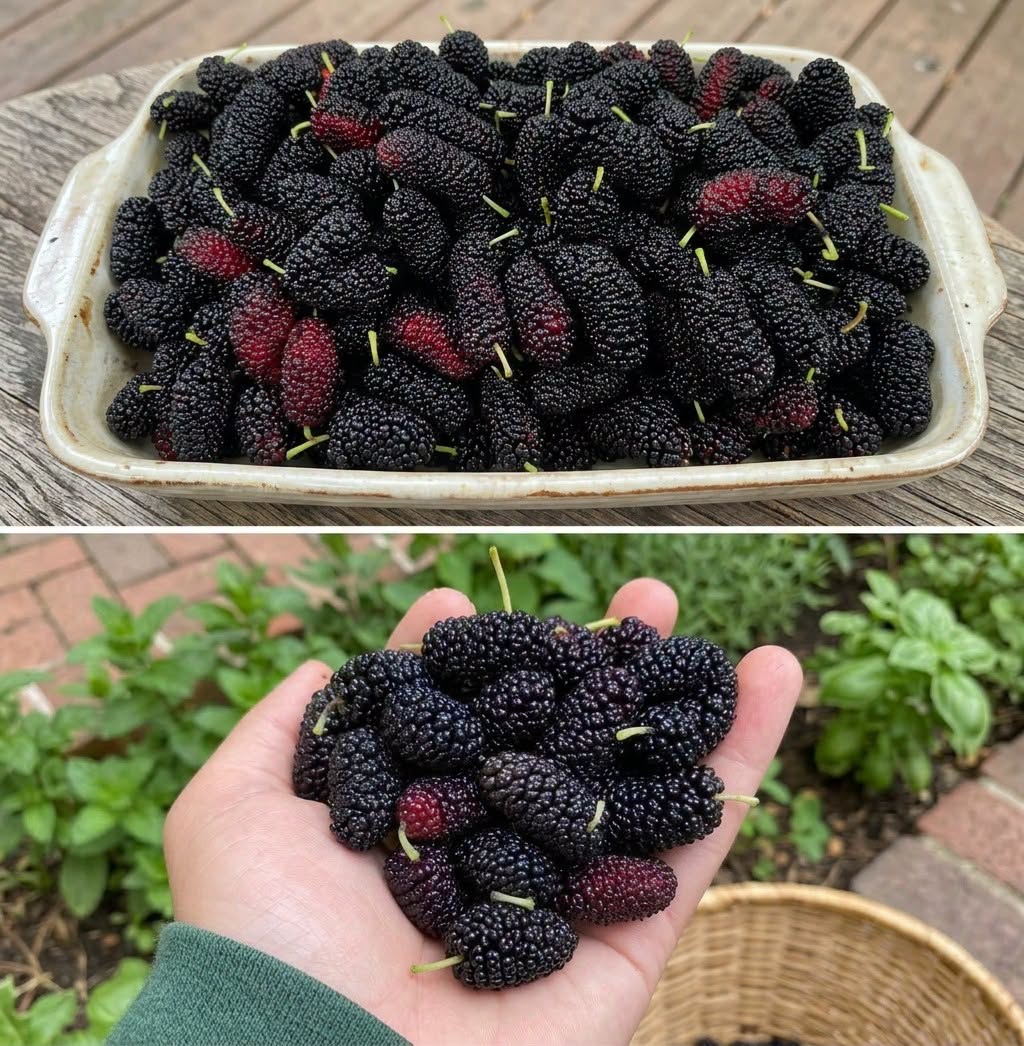
Hidden among the thousands of fruits found around the world is one that many people have never heard of: the bilberry.
Small, dark blue, and closely related to blueberries, this lesser-known fruit has attracted attention because of its rich nutritional profile and potential health benefits.
For centuries, bilberries have been used in traditional diets, and today researchers continue exploring how their natural compounds may support the body in simple but meaningful ways.
One reason bilberries have become popular is their high concentration of antioxidants, especially anthocyanins—the natural pigments responsible for their deep blue color.
These compounds help protect cells from oxidative stress and are believed to play a role in maintaining healthy blood vessels. Because the eyes contain delicate tissues that are sensitive to damage, bilberries have often been studied for their potential connection to eye health and normal vision support.
Bilberries may also be linked to cardiovascular benefits. Their antioxidants and plant compounds are being researched for how they may support healthy circulation and blood vessel function.
Some studies suggest that including antioxidant-rich foods in a balanced diet may help maintain healthy blood pressure levels, although they should not replace medical treatment or prescribed care.
What makes the bilberry especially fascinating is how such a small fruit can contain such a powerful combination of nutrients.

Whether eaten fresh, dried, or consumed as part of supplements, it has become increasingly popular among people looking for natural ways to support overall wellness. However, choosing whole fruits and maintaining a balanced lifestyle remain essential parts of healthy living.
Although the bilberry may not be as famous as apples, oranges, or strawberries, its unique qualities have made it a fruit worth discovering.
From its vibrant color to its impressive nutritional content, this tiny berry shows that nature often hides incredible benefits in unexpected places. Sometimes, the smallest fruits can have the biggest stories behind them.