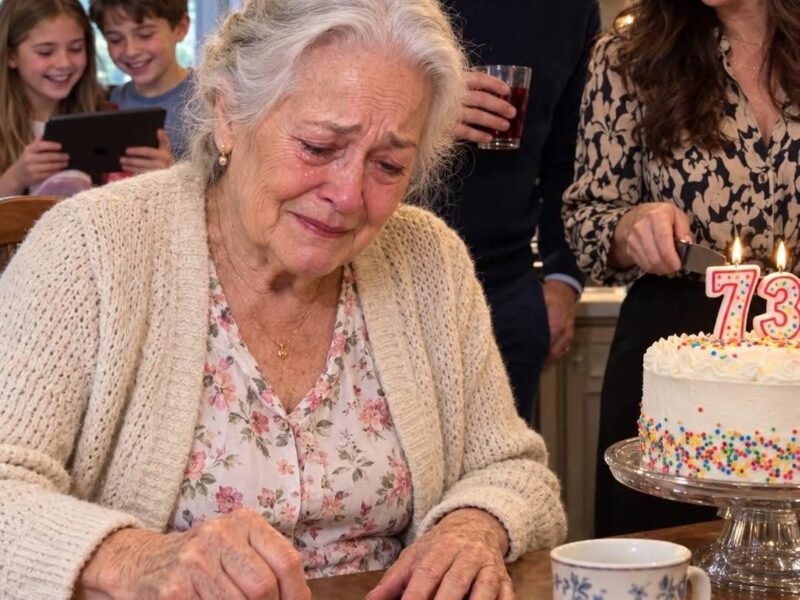
By the age of 75, many people begin to feel that their choices have narrowed dramatically. When independence starts to fade, the options often seem limited to living with family, relying on paid help, or entering a nursing home. Yet this story reveals a far more compassionate, affordable, and life-affirming path.
For decades, we’ve been taught that aging means surrender—giving up autonomy, accepting isolation, and becoming dependent on others. But growing older doesn’t have to follow that script.
When moving in with family doesn’t work
The most obvious solution was to live with a child. On paper, it promised safety and emotional closeness. In reality, it led to the opposite.
Living in someone else’s home—even with people who love you—can slowly erase your sense of self. Different routines, busy schedules, and the absence of a meaningful role can make a person feel invisible. It’s not about a lack of care; it’s about losing independence and identity.
Paid caregivers: help without human connection
The next option was hiring professional caregivers. The cost quickly rose beyond $4,000 a month—far beyond what most older adults can afford.
While the care itself was competent, the relationship felt mechanical. There was assistance, but no bond. Conversations were brief and impersonal, schedules inflexible, and the constant reminder that you were just another appointment on a checklist. The loneliness never disappeared.
Nursing homes: safety at the expense of freedom
Then came the nursing home. It appeared to offer everything—meals, medical supervision, organized activities, and social interaction. But living there felt suffocating.
Rigid rules, limited choices, and the absence of personal control created a sense of confinement. Days blended together, stripped of meaning. Life wasn’t being lived—it was simply being endured.
The simple choice that changed everything
The real turning point came from an unexpected place: helping a neighbor.
That small act sparked something powerful. Genuine conversations began. Real relationships formed. Slowly, a network of mutual care took shape—without contracts, schedules, or money.
Over time, an informal community developed. People contributed what they could: companionship, grocery runs, small household help, or simply time and attention. Monthly expenses dropped to around $500, while emotional well-being and satisfaction soared.
A life rebuilt around meaning
This new way of living restored three essential elements:
Independence — everyone retained control over their own decisions.
Purpose — helping others brought back a sense of value and usefulness.
Community — no one felt alone when they belonged to something shared.

This approach doesn’t deny aging or its challenges. It redefines how later life can be lived. Aging doesn’t have to mean retreating from the world—it can mean reconnecting with it.
A moment to reconsider
Before assuming that institutional care is the only answer, it’s worth looking closer to home. Often, the solution isn’t more money, but deeper human connection.
Old age doesn’t have to be marked by isolation or loss of dignity. With creativity, shared support, and genuine relationships, it can become a chapter defined by meaning, belonging, and life fully lived.