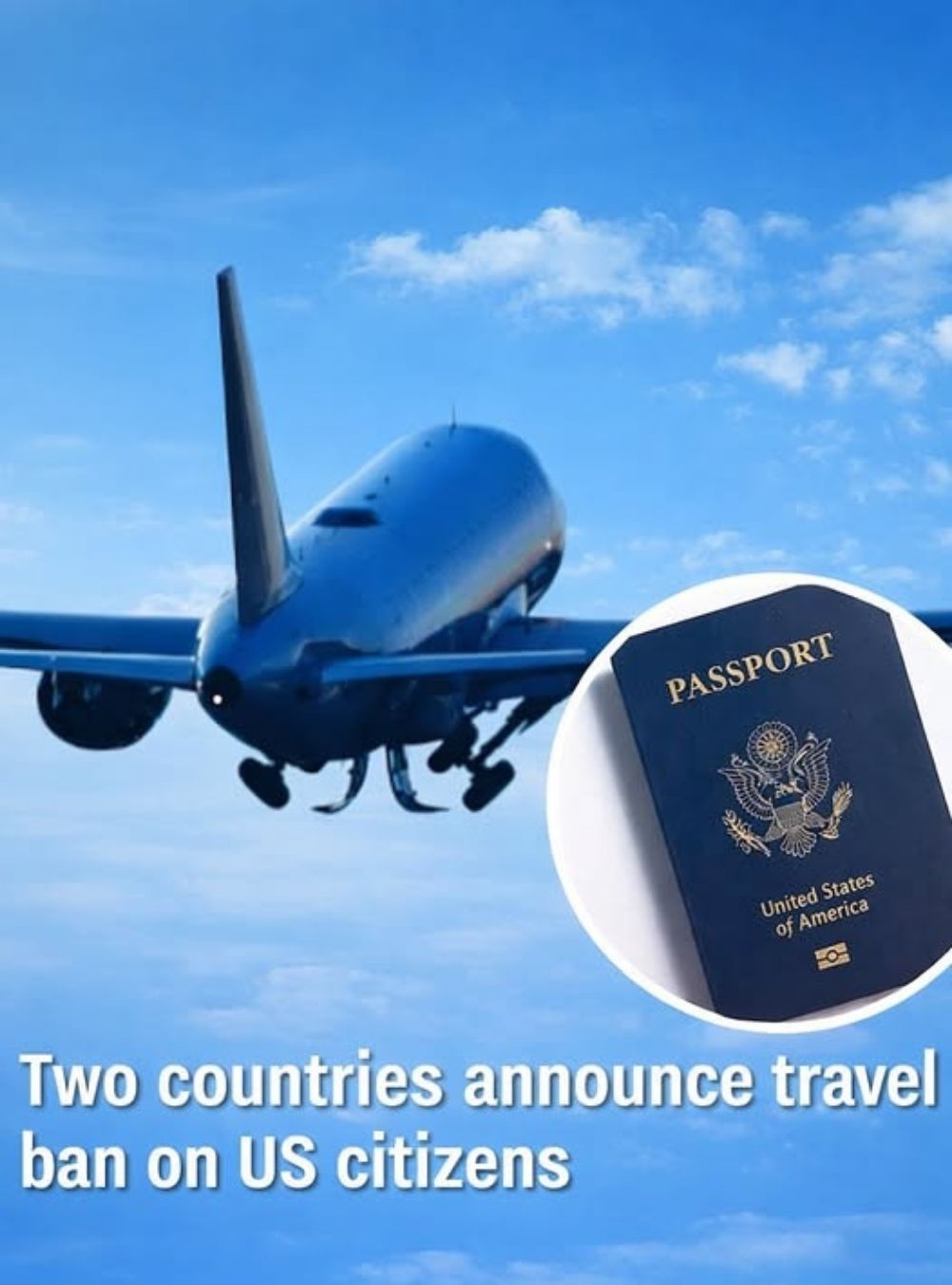
Recent policy decisions by governments in West Africa to revise entry rules for travelers from the United States reflect more than a temporary diplomatic disagreement.
They signal a broader shift in international relations, with countries increasingly emphasizing reciprocity and equal treatment in travel policies. Officials have framed these measures as responses to existing regulations rather than confrontational actions.
While the changes focus on visas and border requirements, their impact reaches far beyond paperwork. Families have faced unexpected travel disruptions, academic and cultural exchanges have been delayed, and humanitarian or aid-related activities have encountered new obstacles. These consequences often affect individuals and communities who have little influence over the policy decisions that prompted the revisions.
From the U.S. perspective, stricter travel requirements are commonly described as administrative measures linked to security or regulatory standards. Leaders in parts of West Africa, however, have characterized similar policies as unbalanced, reinforcing concerns about unequal treatment in global mobility. These contrasting viewpoints have contributed to growing strain rather than collaboration.
The most recent announcements came from Mali and Burkina Faso, both of which introduced new restrictions affecting U.S. citizens. These steps follow earlier actions by Niger, which implemented a long-term visa halt, and Chad, which previously suspended comparable access. Taken together, the developments suggest a regional effort to assert greater autonomy in diplomatic relationships, raising new challenges for future cooperation and trust-building.