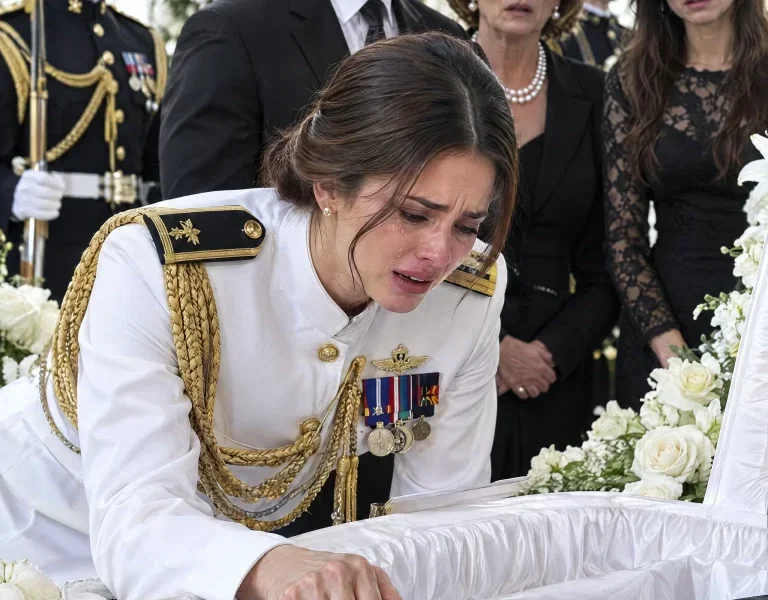
Grief has a quiet but powerful way of altering how the world feels. Items that once seemed ordinary can suddenly carry deep emotional meaning. Rooms feel unfamiliar. Simple routines feel heavier. In the midst of that emotional shift, many people feel an unexpected impulse to clean, organize, or remove anything that adds to the overwhelm. It’s a completely natural reaction—tidying up can feel like reclaiming control when everything else feels uncertain.
Still, it’s important to slow down. You don’t need to make decisions about everything immediately. Acting too quickly can sometimes lead to regret. What feels insignificant today may hold tremendous meaning later.
Below are five types of belongings that often become more meaningful than people expect. Each serves a quiet purpose, even if that value isn’t obvious at first.
1. Anything Written in Their Hand
Handwriting carries something deeply personal. It’s almost like a fingerprint—distinct, intimate, and tied to the rhythm of how someone existed in the world. After a loss, a person’s handwriting becomes one of the few things that remains exactly as it was. Even the smallest note can bring you back to them.
This doesn’t just mean long, emotional letters. It might include:
A grocery list stuck to the fridge
A quick sticky note on your desk
A reminder scribbled on a calendar
A card signed in haste before a holiday
A recipe written out by hand
These scraps of paper often become emotional anchors. Many people who grieve say the same thing: seeing a loved one’s handwriting brings an unexpected kind of comfort.
Even imperfect handwriting—the messy scrawl, the misspellings, the rushed notes—becomes something precious. Over time, when the sharpness of grief softens, those small pieces can restore a sense of closeness in a way photos or recordings sometimes can’t.
If you’re unsure whether something matters, set it aside instead of discarding it. Give yourself the gift of deciding later, when your heart feels steadier.
2. Photos, Videos, and Voice Recordings
Memories rarely disappear all at once. They fade gradually, almost without notice. That’s why visual and audio recordings become so important—they preserve details your mind may eventually blur.
You might feel certain you’ll always remember their face or the sound of their laugh. But recordings safeguard those moments in ways memory simply cannot.
Consider keeping:
Old printed photos tucked away in boxes
Polaroids from family gatherings or trips
Digital albums on your phone
Random videos you forgot existed
Voicemails you haven’t had the strength to replay
Voice notes sent during everyday moments
Home videos stored on outdated devices
Even the imperfect recordings matter—the blurry snapshots, awkward camera angles, or crackling audio. Those unpolished moments are often the most authentic.

Months or even years later, many people find that revisiting these recordings offers comfort rather than pain. They allow you to feel close again during quiet, reflective moments.
If it feels overwhelming, simply gather everything into one safe place—a folder, an external drive, a box. You don’t have to revisit them yet. Just protect them for the future.
3. Everyday Objects Tied to Their Routine
After a loss, it’s easy to see belongings as clutter that needs sorting. But the items someone used daily—the ordinary, unnoticed pieces of their routine—often carry surprising emotional weight later on.
Think about things like:
The mug they reached for every morning
A well-worn book they loved
A watch they never took off
Their reading glasses
A jacket they wore constantly
A keychain with a faded charm
A pen they refused to replace
These aren’t valuable in a material sense. They matter because they reflect the quiet details of who that person was—their habits, quirks, and familiar routines.
You don’t need to keep everything. But don’t dismiss the healing power of holding onto one or two simple objects that feel right. Sometimes a single everyday item can offer more comfort than an entire box saved out of obligation.
Choose what resonates with you—not what you feel pressured to preserve.
4. Personal Messages and Digital Keepsakes
In the modern world, so much of our connection happens through screens. The everyday exchanges—shared jokes, quick updates, thoughtful conversations, and random photos—often carry emotional meaning we don’t fully appreciate until someone is gone.
These digital memories might include:
Text conversations
Voice messages
Emails
Comments on social media
Private chats in apps
Photos exchanged back and forth
Old call histories or saved voicemails
During intense grief, it can be tempting to delete everything, especially if reading those messages feels overwhelming. But those small digital fragments frequently become treasured reminders later. They capture your loved one’s tone, humor, and personality in ways formal keepsakes cannot.
Many people later wish they hadn’t erased old conversations so quickly. Even if you can’t bear to revisit them right now, consider backing them up or saving screenshots. Store them somewhere secure. One day, you may be deeply grateful you did.
5. An Item That Still Carries Their Scent
Smell is one of the most powerful memory triggers. A familiar scent can instantly transport you to a specific moment or emotion. Because scent fades over time, holding onto an item that still carries even a trace of your loved one’s smell can be especially meaningful.
This might be something like:
A sweater or hoodie
A favorite shirt
A scarf
A pillowcase
A blanket they used often
A jacket they wore regularly
You don’t need to keep everything. Even a single piece can be enough.
Some people store these items carefully—not to constantly revisit them, but simply to know they’re there. That quiet presence can provide comfort, a tangible reminder of closeness when so much else feels different.
And even after the scent fades, the item itself remains a symbol of the connection you once felt so vividly.
A Final Thought: Move at Your Own Pace
Grief doesn’t follow a timeline. There’s no deadline for sorting through belongings, and no universal rule about when it should happen. What matters most is allowing yourself to proceed gently and on your own terms.
You don’t owe anyone an explanation for what you choose to keep. You don’t have to defend your decisions. And you certainly don’t need to rush into choices that feel irreversible.
Often, it’s the smallest things that bring the greatest comfort—a photograph, a worn sweater, a handwritten note. These simple objects help you carry someone forward with you, even after they’re gone.
Hold onto what feels meaningful. Release only what you’re truly ready to let go. And above all, treat yourself with kindness. Grief evolves, but the love beneath it never disappears.