Seeing red and blue lights flare up behind you can send a shock straight through your chest, even if you’ve done nothing wrong. That sudden burst of adrenaline—the quick breath, the racing thoughts, the urge to replay every moment of your drive—is a universal reaction.
But what feels like a sudden, personal interruption is actually a carefully structured process unfolding behind the scenes.
Long before an officer activates their lights, they have already run your plate, noted your location, and assessed whether the traffic stop can be performed safely. Understanding those unseen steps shifts the moment from frightening unpredictability to something far more methodical and grounded in safety.
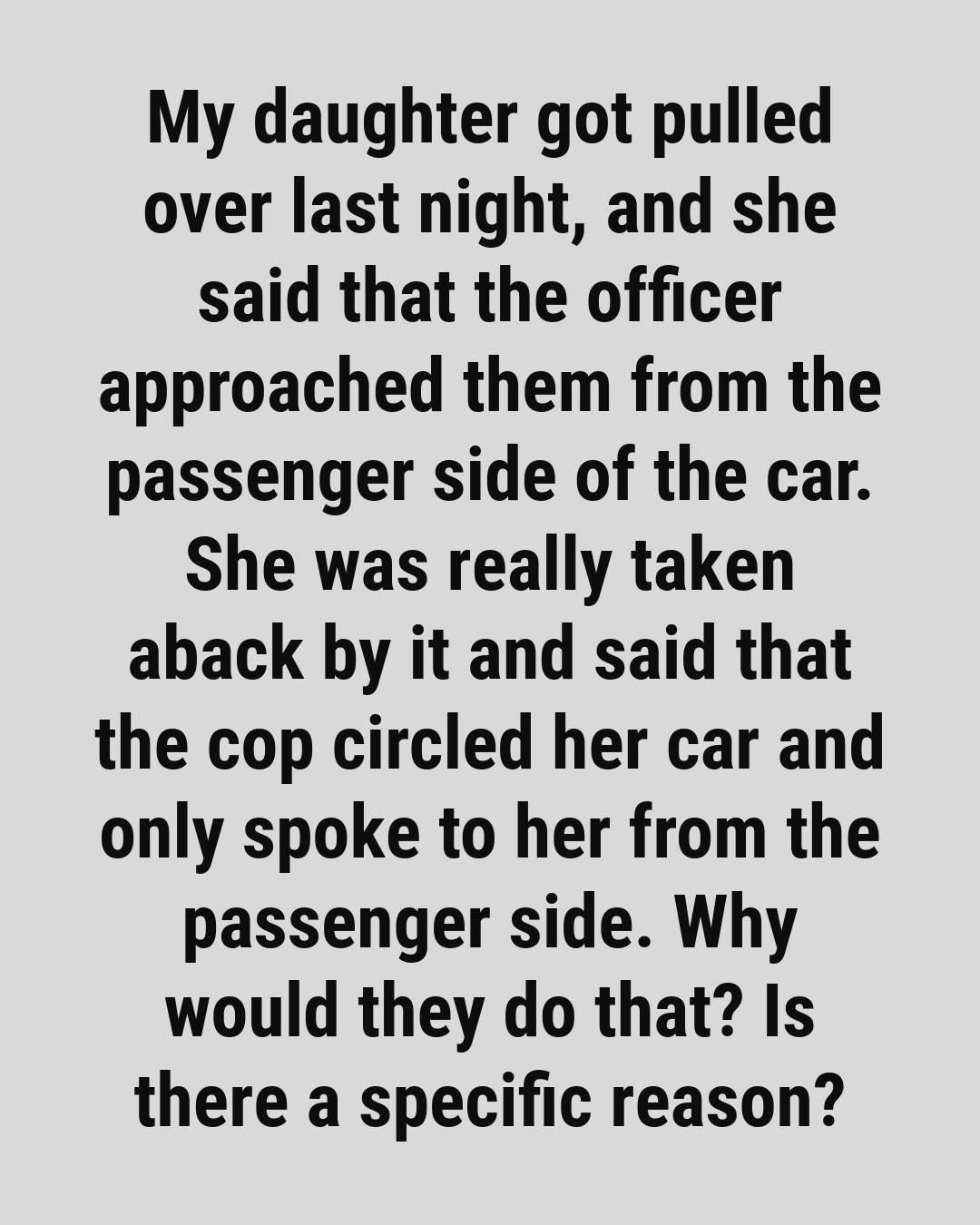
Once you pull over, the officer’s actions may seem slow or overly cautious, but each movement has purpose. The slight angle of the patrol car, the careful walk toward your window, even the brief moment when the officer touches the trunk—these are safety measures designed to protect both you and them.
Officers are trained to scan for hazards, watch body language, and maintain visibility at all times. When they ask for your license, registration, and proof of insurance, they aren’t trying to intimidate you; they’re following a routine that helps them evaluate the situation calmly and consistently every single time.
For drivers, the simplest behaviors make the biggest difference—keeping your hands visible, waiting for instructions, avoiding sudden movements, and speaking clearly.
These small gestures reduce tension and allow the officer to complete the stop quickly and professionally. In truth, most traffic stops end without conflict or complication.
Often, they conclude with a short conversation, a reminder, or a warning. But what determines how smoothly the moment unfolds often comes down to both parties understanding the structure and expectations behind the encounter.
When you know the logic behind plate checks, car positioning, approach techniques, and officer protocols, the flashing lights lose a little of their power to frighten.
What once felt like a personal judgment begins to look more like a shared safety ritual—one that protects every driver on the road.
Staying calm, cooperating, and remembering that the officer’s foremost priority is safety can turn a moment of panic into something far more manageable. In the end, knowledge transforms fear, and awareness gives drivers a sense of control even in a stressful situation.