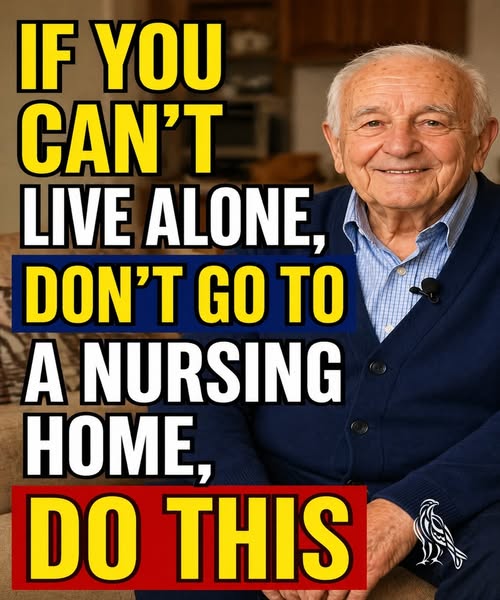
I’m 87 years old, and what I’m about to share is something I wish more people understood before they make a decision they can’t easily undo.
Six months ago, I reached a point where living alone no longer felt safe. I forgot my medication more than once. I left the stove on. One afternoon, I went out to buy bread and realized halfway down the street that I didn’t remember how to get back home.
My daughter was frightened, and rightly so. She began looking into care homes, visiting places, speaking with staff, making plans. I nearly agreed, not because I wanted to leave my home, but because I believed I had no real alternative.
That belief turned out to be the real problem.
It wasn’t my home that had become unsafe.
It was my isolation.
One night, unable to sleep, I arrived at a simple realization: I didn’t necessarily need to move away. I needed support—and not the kind that replaces your life, but the kind that quietly strengthens it.
The next morning, I started small.
I spoke with Laura, my neighbor. She works from home and has two young children. I told her honestly that I needed help remembering my medication in the mornings. In return, I offered something I still had the ability to give—time and attention.

Now, she stops by each morning with coffee, stays a few minutes, and makes sure I’ve taken my pills. Twice a week, I pick up her children from school, give them a snack, and stay with them until she finishes work.
What began as a simple arrangement quickly became something more.
I spoke with Pablo, who lives nearby and often comes home late. I asked if he could check in on me briefly in the evenings. In exchange, I receive his deliveries during the day so he doesn’t have to worry about missed packages.
Then there was Antonia, another widow in the neighborhood. We both struggled with cleaning, so we hired someone together and shared the cost. It made something difficult suddenly manageable.
Without planning it, a quiet network formed around me.
The bar owner down the street notices if I don’t come by in the morning. The pharmacist reminds me when prescriptions need renewal. The greengrocer delivers heavier groceries once a week.
None of these people are “caregivers” in the formal sense. They are simply part of my life.
Six months have passed since then.
I haven’t missed my medication once. My home is clean. Every evening, someone makes sure I’m safe. But more importantly, something else returned that I didn’t even realize I had lost.
Purpose.

I have conversations again. Responsibilities. People who rely on me in small but meaningful ways. I am not just being looked after—I am still contributing.
That changes how a person feels about themselves.
Of course, there are practical benefits. This arrangement costs far less than a care facility. But money isn’t the most important part.
What matters is that I still wake up in my own bed. I sit in the same chair where I’ve spent years reading. I am surrounded by my memories, not removed from them.
And I still feel like myself.
For anyone facing a similar moment, there are a few things worth considering.
Start by being honest about what you can no longer manage safely on your own. Medication, cleaning, shopping, transportation—write it down without pride getting in the way.
Then think just as carefully about what you can still offer. It may not be what it once was, but it matters. Time, attention, conversation, small tasks—these things still have value.
Look around you. Often, support isn’t far away. It’s in the people you pass every day, the neighbors you greet, the shopkeepers who already know your routine.
When you ask for help, don’t frame it as dependence. Offer something in return, even if it feels small. Mutual support creates dignity in a way one-sided care rarely does.
Stay organized. Write things down. Keep a schedule. And most importantly, speak openly. If something isn’t working, adjust it. If you need more help, say so.
This approach is not a solution for every situation. There are times when professional care is necessary, especially when medical needs become complex or safety risks increase.
But not every difficult moment requires giving up your home, your independence, and your identity all at once.
There is a difference between being cared for and being removed from your life.
In a facility, you may be safe—but you may also feel like just another name on a list.
In a community, you remain someone who matters.
Someone who still gives, not just receives.
Growing older changes many things, but it does not have to erase your place in the world. With a bit of creativity and honesty, it’s often possible to build something that supports you without replacing you.
Before deciding there is no other choice, take a moment.
Sometimes, the answer isn’t leaving your life behind.
It’s letting other people into it.