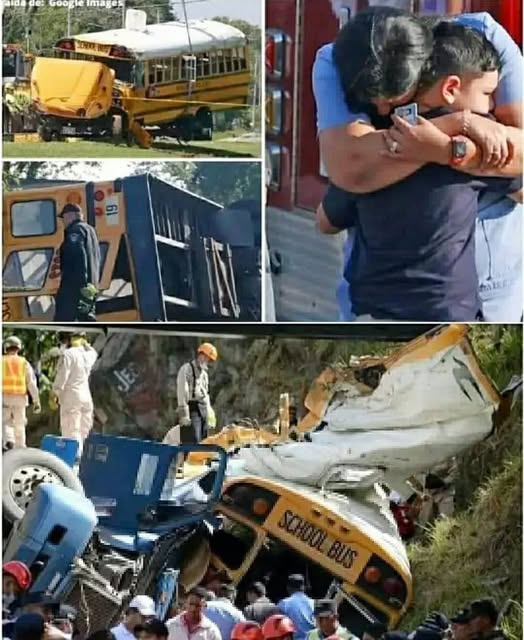
The Tragedy That Never Truly Fades
Years have passed since the Karatu tragedy took the lives of 32 children, two teachers, and a driver. Time has not erased the loss. It has simply changed its shape—softening its edges in some moments, deepening it in others. What remains is steady and quiet, woven into daily life. Empty chairs, untouched toys, and silent school bags still speak, even when no one does.
Living With the Absence
For families, grief does not sit in the past. It walks beside them.
Birthdays arrive and pass with a different kind of silence. Milestones feel incomplete. Conversations that ended without warning echo in small, ordinary moments. The world moves, but something within remains paused.
And yet, love continues its work.
Parents keep photographs close. They repeat stories, sometimes the same ones, because memory is a form of keeping. Names are spoken carefully, not as reminders of loss alone, but as quiet affirmations that these lives still matter.
A Nation United in Mourning
The tragedy reached far beyond Karatu. Across Tanzania, people felt its weight—not as distant news, but as something deeply human and near.
Schools gathered in remembrance. Teachers spoke with renewed care about the responsibility they carry. In places of worship, prayers were offered not only for the departed, but for those left to endure.
There was a shared understanding, unspoken but clear: this loss could belong to any family.
Remembrance Beyond Headlines
Public attention, as it often does, moved on. But for those closest to the loss, time did not close anything—it marked it.
Anniversaries are not about reopening wounds. They are about acknowledging that the wound never fully closed.
“We still remember” is not said lightly. It carries a quiet commitment—to keep these lives present in the collective memory, not reduced to numbers or a single moment in time.

Honoring Lives Taken Too Soon
Those lost were not defined by the tragedy. They were children with laughter, questions, and futures unfolding. The teachers and the driver were more than roles—they were entrusted with care, with guidance, with responsibility.
To remember them is not only to mourn what happened. It is to recognize the weight of what was given—and what must be protected moving forward.
Grief, Love, and Legacy
Grief does not disappear. It settles, it reshapes, it becomes part of how life is carried.
There are days when it feels distant, and days when it returns without warning. Both are part of the same truth.
But alongside grief, something else remains just as persistent: love.
It is love that keeps names spoken. Love that preserves stories. Love that turns memory into a kind of quiet continuity.
And from that, meaning can grow—not as an answer to loss, but as a way of honoring it.
A Memory That Speaks
Eight years later, the silence still holds weight. But within it, there is also a voice—not loud, not demanding, but steady.

It reminds us to be attentive. To value what is entrusted to us. To recognize how quickly life can change, and how carefully it must be held.
Their stories continue—not in headlines, but in the lives shaped by remembering them.
Keep their memory alive in the way that matters most: through care, through awareness, and through the quiet decision not to forget.