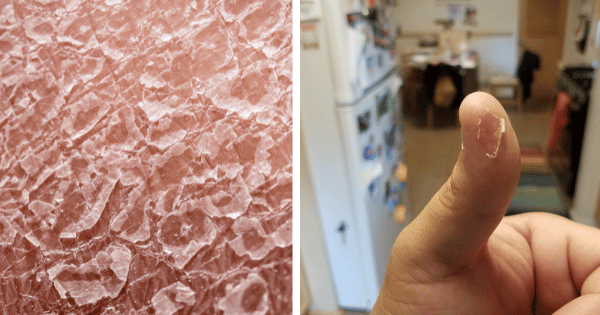
Beyond being a canvas for cosmetic concerns, our skin can serve as a powerful indicator of underlying health issues. Ignoring skin problems solely for aesthetic reasons might exacerbate the situation, as numerous skin signals can act as red flags for severe disorders, urging individuals to seek timely medical attention. *Disclaimer: This information is intended for educational purposes only and does not constitute medical advice. Individuals are strongly encouraged to consult healthcare professionals for personalized guidance.
Dark patches appearing unexpectedly on the skin could signal adrenal insufficiency, potentially linked to Addison’s disease. However, this is not always the case. Accompanying symptoms such as muscle/joint pain, loss of appetite, low blood pressure, and abnormal sugar levels may also be present. If these symptoms are observed, immediate consultation with a healthcare professional is advised.
patches on the skin might indicate vitiligo, a disorder characterized by the absence of pigment-producing melanocytes. Individuals experiencing this issue are encouraged to seek diagnosis and therapy from an endocrinologist or dermatologist. 
and severe rashes, whether caused by food allergies, medication reactions, or contagious infections like chickenpox, should not be taken lightly. Certain disorders such as Stevens-Johnson or Lyell’s syndrome can be life-threatening. Seeking medical attention for proper evaluation and treatment is crucial, especially in cases where an adult contracts chickenpox. 
edemas may be indicative of hypothyroidism, necessitating consultation with an endocrinologist. This condition, characterized by insufficient hormone synthesis, can manifest in various symptoms like dry skin, hair loss, and unexplained weight gain. 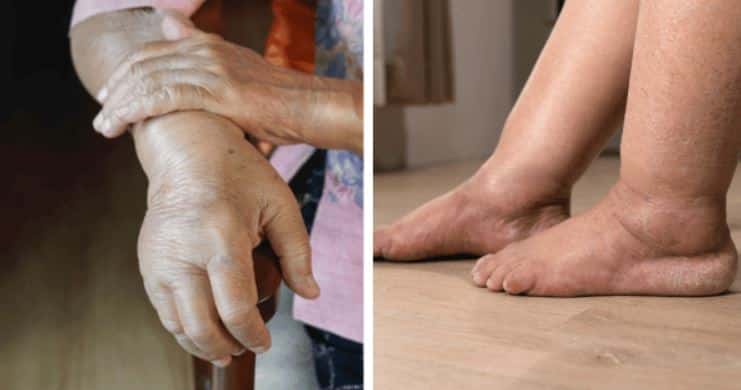
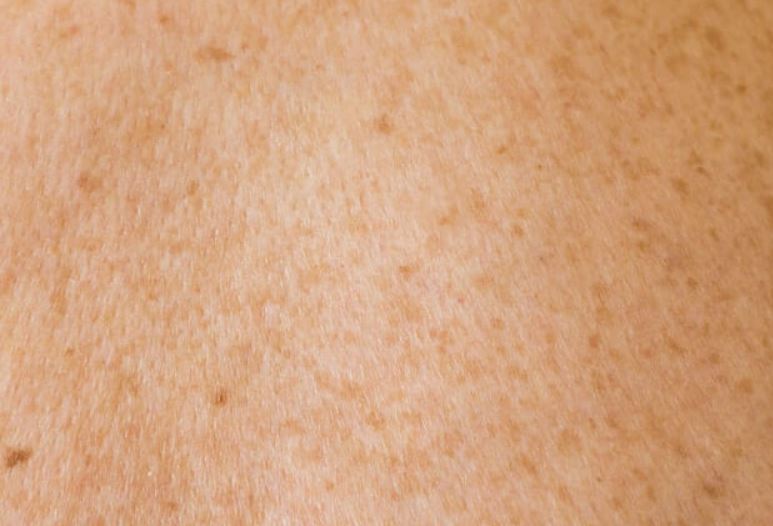
common skin disorder, acne, may be caused by factors such as excess skin oil, hormonal imbalances, or digestive issues. Adopting a suitable skincare routine and seeking personalized advice from a medical professional can contribute to effective management.