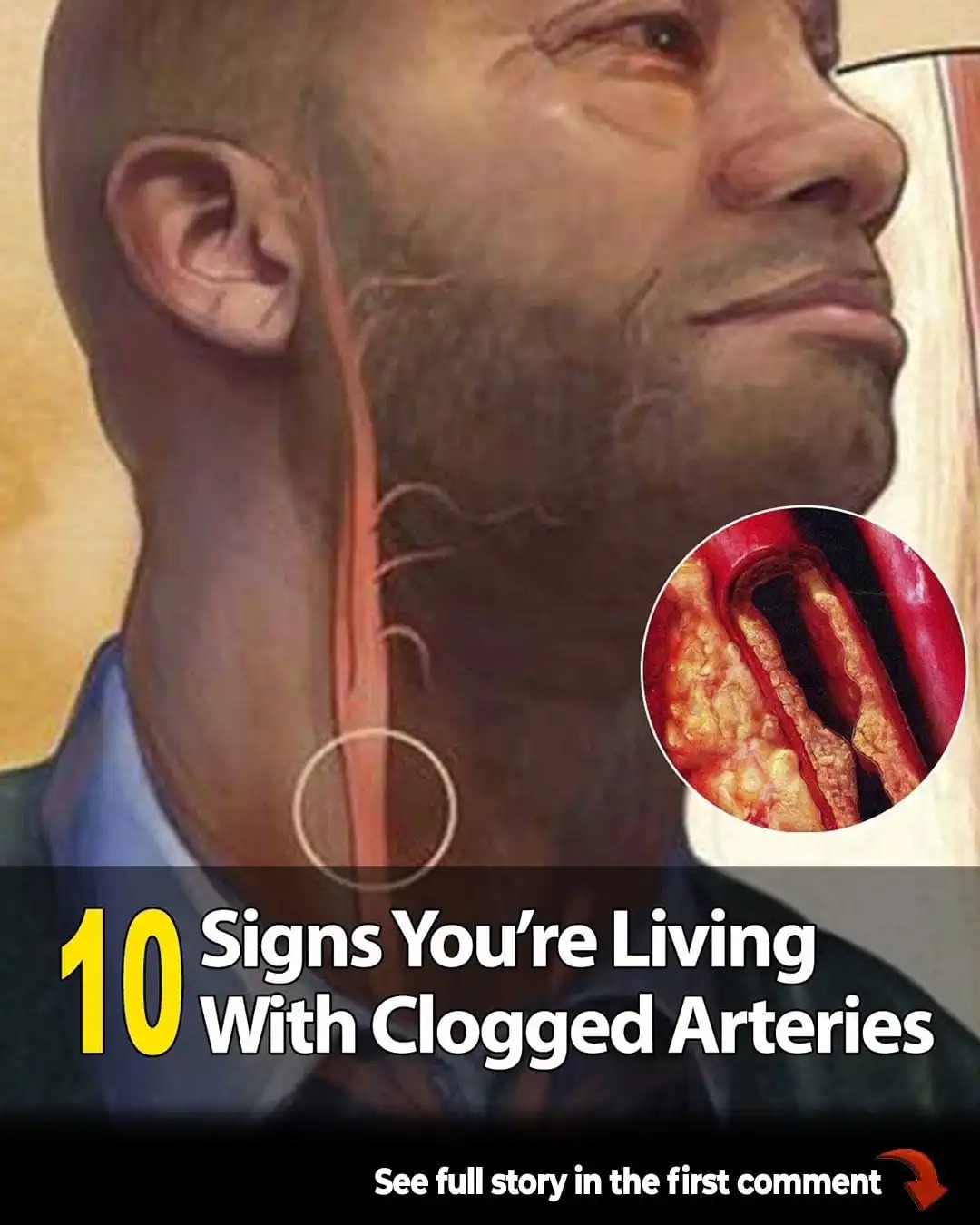
Heart disease remains one of the leading, yet most preventable, health issues worldwide. At the very center of this global health challenge is a condition that develops silently over time: clogged arteries.
Think of your arteries as a vast, intricate network of high-speed highways designed to carry oxygen-rich blood and vital nutrients to every single organ, muscle, and tissue in your body. When those pathways are clear, traffic flows beautifully. But when they begin to narrow due to the buildup of fatty deposits called plaque, traffic slows down, and your overall circulation suffers immensely.
If left unchecked, these “traffic jams” in your bloodstream can eventually lead to catastrophic medical events, such as heart attacks or strokes. The trickiest part about clogged arteries is that they are master illusionists; they progress quietly in the background for years, often decades, without causing any major alarm bells to ring. Small warning signs do appear, but because we lead busy lives, many of us brush these symptoms off as just another sign of getting older, being out of shape, or having a stressful week.

By learning to recognize these whispers from your body early on, you can take proactive, life-saving steps to protect your long-term health. Paying attention right now can help you avoid much more dangerous complications down the road. Here are ten subtle signs of clogged arteries that you should never ignore.
1. Chest Pain or Tightness
Chest pain, clinically known as angina, is perhaps one of the most widely recognized and obvious warnings of blocked arteries. However, it doesn’t always feel like a dramatic, sharp pain. For many, the sensation feels more like a dull pressure, a suffocating heaviness, or a tight squeezing—almost as if an invisible band is being tightened around your chest or a heavy weight is sitting right on your sternum.
This discomfort may not stay localized to your chest, either. It has a tendency to radiate, spreading into your left arm, up into your neck, or even into your jaw. Because of this, it is incredibly common for people to mistake it for bad indigestion, heartburn, or a severe panic attack. But at its core, this symptom is your heart crying out for oxygen.

When the heart muscle cannot get enough oxygen-rich blood through narrowed arteries, this intense discomfort builds. Sometimes it lasts only a few fleeting minutes and fades away when you sit down to rest. Other times, it lingers and steadily intensifies. Regardless of its duration, brushing off chest pain is a massive gamble with your health.
Pro Tip: Always seek emergency medical attention if chest pain is a completely new sensation for you, if it is rapidly worsening, or if it is accompanied by a sudden shortness of breath.
2. Fatigue That Feels Unusual
We all experience days where we feel tired and drained, especially after a long week of work or a restless night. But the fatigue caused by clogged arteries feels fundamentally different. It is a profound, heavy exhaustion that seems to seep into your bones. You might find that even the smallest, most routine tasks—like folding a load of laundry, walking to the mailbox, or climbing a single flight of stairs—suddenly leave you feeling completely and utterly wiped out.
Why does this happen? When your blood struggles to flow efficiently through narrowed vessels, your vital organs and muscles are essentially put on strict oxygen rations. This sudden lack of premium fuel makes everyday activities feel impossibly draining. Unlike standard tiredness, this vascular fatigue doesn’t magically disappear after a weekend of sleeping in or a strong cup of coffee. It is persistent, frustrating, and incredibly confusing. If a wave of exhaustion seems to strike out of nowhere and refuses to lift, it might be time to have your circulation evaluated.

Pro Tip: Keep a journal tracking exactly when this fatigue hits you the hardest, paying special attention to whether it noticeably worsens during mild physical activity.
3. Pain in the Legs or Feet
It is a common misconception that restricted blood flow only impacts the heart. In reality, the arteries that travel down into your legs and feet are just as susceptible to becoming blocked. When plaque builds up in your lower extremities, it often results in a condition called Peripheral Artery Disease (PAD).
PAD typically presents as cramping, aching pain, or an incredibly heavy feeling in the calves, thighs, or buttocks. Interestingly, this discomfort is usually triggered by walking or exercising. The pain will force you to stop and rest, at which point the discomfort magically melts away—only to return the exact moment you start walking again.
This predictable pattern is a glaring red flag that plaque is severely limiting circulation far beyond your chest cavity. Ignoring this symptom won’t make it go away; in fact, it could put you at risk of severe tissue damage or dangerous infections down the line.
Pro Tip: Pay very close attention if your leg pain operates like a light switch—turning on during activity and turning off at rest. Mention this specific pattern to your doctor immediately.

4. Shortness of Breath
Feeling as though you just can’t catch a full, satisfying breath is a terrifying sensation, and it can frequently be traced back to clogged arteries. When blood flow is heavily restricted, your heart is forced to work twice as hard to keep whatever oxygen it has moving through your system. This intense mechanical strain can leave you feeling completely winded after incredibly mild activity, or terrifyingly, even while you are just sitting on the couch resting.
Some patients describe this symptom as a tight, restrictive band around the lungs; others call it a constant, desperate “air hunger.” It is dangerously easy to write this symptom off, blaming it on simply being out of shape, gaining a few pounds, or getting older. But narrowed arteries could be the hidden culprit behind your gasping. The longer this goes unchecked, the greater the irreversible risk to your heart muscle. Breathing is an autonomous function; it should feel effortless and natural, never like a conscious, exhausting chore.
Pro Tip: If severe breathlessness appears suddenly out of the blue or escalates very quickly, do not wait—get emergency medical help right away.
5. Numbness or Weakness in the Limbs
When the crucial arteries leading up to your brain or branching out into your limbs become narrowed with plaque, your circulation takes a massive hit. The result can be bouts of sudden numbness, a bizarre tingling sensation, or profound weakness in your arms or legs. Frequently, people will notice that only one side of their body—perhaps just the left arm or the right leg—is experiencing these strange sensations.

Because these vascular changes may come and go rapidly, they are incredibly easy to dismiss. You might shake your hand out and assume you simply “slept on it funny” or pinched a nerve. However, these transient symptoms can be minor warnings—sometimes called mini-strokes or Transient Ischemic Attacks (TIAs)—indicating that your body is failing to deliver adequate blood flow to where it matters most. Brushing off these neurological warning signs drastically raises your risk of suffering a full-blown stroke or permanent nerve and tissue damage.
Pro Tip: Treat any sudden, unexplained weakness or numbness as a medical emergency, especially if it is accompanied by other neurological symptoms like slurred speech, facial drooping, or blurred vision.
6. Cold Hands and Feet
Have you noticed that you are constantly reaching for thick socks or gloves, even when the thermostat says the room is perfectly warm? Poor circulation can cause your extremities to feel unusually, sometimes painfully, cold. This happens because narrowed, clogged arteries simply cannot supply a sufficient volume of warm, oxygen-rich blood all the way down to the tiny, microscopic vessels in your fingers and toes.
In severe cases, you might even notice a visible color change. Your skin may take on a pale, almost translucent appearance, or it might develop a faint bluish tint. While having cold hands and feet can definitely be a harmless quirk or a symptom of other conditions like thyroid issues, underlying circulation problems should absolutely never be ruled out without a doctor’s confirmation. Paying attention to this subtle, chilling signal may reveal much bigger, systemic issues lurking beneath the surface. Chronic coldness is a message from your body that should not be sent to voicemail.
Pro Tip: Check to see if one foot or hand is noticeably colder than the other. Asymmetrical circulation is a very serious clue that a specific artery may be blocked.
7. Dizziness or Lightheadedness
Your brain is an absolute oxygen hog; it demands a constant, uninterrupted supply of highly oxygenated blood to function. Clogged arteries can severely interfere with this delicate delivery system. When the brain experiences even a momentary dip in blood flow, it reacts instantly, causing dizziness, unsteadiness, balance problems, or the terrifying sensation that you are about to faint.
Many people are quick to blame these woozy spells on mild dehydration, standing up a little too fast (orthostatic hypotension), or simply not eating enough that day. While those factors certainly play a role in everyday dizziness, chronic circulation issues can also be the hidden anchor weighing you down.
If your brain is starved of oxygen, it simply cannot keep you upright and alert. Dizziness that happens frequently, or dizzy spells that last longer than just a fleeting moment, should never be ignored. It is your body’s internal alarm system telling you that something is functionally wrong with your blood pressure or arterial flow.
Pro Tip: Seek medical advice if dizziness happens to you on a regular basis, and be especially vigilant if the dizziness happens at the same time as chest pain or shortness of breath.

8. Trouble Sleeping or Sleep Apnea
It may surprise you, but clogged arteries can actually wreak havoc on your sleep schedule. They are closely linked to sleep disturbances, most notably obstructive sleep apnea. When your cardiovascular system is compromised and blood flow is restricted, the oxygen levels in your bloodstream can plummet dangerously low while you are trying to rest.
This oxygen drop forces your brain into a state of panic, causing frequent waking, loud, disruptive snoring, or waking up gasping for air. As a result, you might feel completely exhausted even after spending a full eight hours in bed. Sleep apnea is so much more than just a loud nighttime annoyance for your partner; it acts as a massive stressor on the heart.
Every time you stop breathing, your blood pressure spikes. Over time, this intense nightly stress can rapidly accelerate the buildup of plaque, worsening your circulation problems and skyrocketing your risk for a heart attack. Addressing the quality of your sleep is one of the smartest things you can do to protect your arteries.
Pro Tip: If you suffer from consistently poor sleep or heavy, choking snores, schedule a medical checkup to rule out hidden circulation-related causes.
9. Jaw or Neck Pain
When we think of heart problems, our minds immediately jump to chest clutching. But clogged arteries have a sneaky way of causing profound discomfort far beyond the chest cavity. Thanks to the complex way our nervous system is wired, pain from a struggling heart can travel upward, manifesting as a dull ache, tightness, or sharp pain in the jaw, the front of the throat, or the neck.
It is incredibly common for people to book an appointment with their dentist or massage therapist, mistakenly believing they are grinding their teeth at night or simply dealing with an annoying muscle strain. However, this referred pain may actually be a dire signal that your heart muscle is actively starving for blood. This is especially true for women, who are statistically much more likely to experience these “atypical” symptoms like jaw pain, upper back aching, or nausea, rather than the classic Hollywood-style chest pressure. Because this pain is such a master of disguise, early medical evaluation can quite literally mean the difference between life and death.
Pro Tip: Seek urgent care if unexplained jaw or neck pain flares up in tandem with chest discomfort, sweating, or unusual fatigue.
10. Irregular Heartbeat
Your heart is meant to beat with the steady, reliable rhythm of a metronome. But when thick plaque buildup disrupts your normal circulation, your heart may begin to misfire, causing it to beat irregularly. You might suddenly feel a strange fluttering sensation in your chest, a rapid pounding, or the unnerving feeling that your heart just completely skipped a beat.
These strange sensations, known as arrhythmias or palpitations, may come and go throughout the day, but they should never, ever be swept under the rug. When the heart is forced to struggle to pump efficiently through narrowed pathways, its electrical system can go haywire.
While it is true that sometimes a racing heart is just a harmless reaction to too much caffeine or a stressful email, clogged arteries can make underlying arrhythmias incredibly dangerous. By actively monitoring your heartbeat, you are giving your doctors invaluable clues about the overall state of your cardiovascular health.
Pro Tip: Keep a detailed log on your phone of exactly when these palpitations happen, noting if they are triggered by physical activity, emotional stress, or meals.
Taking Care of Your Arteries Before It’s Too Late
The single most important thing to remember about clogged arteries is that they do not develop overnight. The plaque in your vessels has likely been accumulating slowly for years. While that sounds frightening, it also means a profound silver lining: you still have time to act.
Many of the subtle warning signs listed above can easily overlap with other, less serious conditions, which is exactly why they are so easily overlooked by the general public. The key to safeguarding your heart is to commit to never dismissing persistent, recurring, or highly unusual symptoms—especially if they involve your breathing, circulation, or heart function. Staying violently proactive with your personal health makes a monumental difference.
Schedule your regular medical checkups, have your cholesterol and blood pressure measured, begin transitioning to a healthier, whole-foods-based diet, and find a form of daily exercise that you genuinely enjoy. These simple, everyday lifestyle changes are your sharpest weapons against plaque buildup.
Paying close, intuitive attention to the signals your body sends you is one of the most powerful and courageous steps you can take. By treating these 10 symptoms with the utter seriousness they deserve, you are gifting yourself the very best chance at a longer, stronger, and vibrantly healthier life.